- Eswatini Edge
- Posts
- 💡BREAKING: Eswatini is about to drop E1.7B to power its clean energy future
💡BREAKING: Eswatini is about to drop E1.7B to power its clean energy future
Solar farms, rural access, smarter grids funded by the World Bank Group.

Eswatini Edge
April 14, 2025

In today’s email…
Eswatini wants to stop importing 70% of its power.
The Opportunity: From Empty Spaces to Daily Dollars
If you haven't subscribed, join over 25+ people curious about Innovation, New Products, and New Technologies in Eswatini.
🧵 Power Moves: Eswatini Just Flipped the Switch on a Billion-Rand Energy Overhaul

Eswatini is done playing defense when it comes to electricity.
Instead of waiting for power prices to spike or imports to glitch, the country is going on the offensive to the tune of E1.7 billion (that’s over €85 million) in fresh funding to turbocharge its transition to clean, reliable, homegrown energy.
And no, it’s not just a dream cooked up in a ministry boardroom. The Minister of Finance, Neal Rijkenberg, is tabling two Parliament bills — Bill No. 9 and Bill No. 10 of 2025 designed to reel in serious financing from two global energy big dogs:
International Development Association (IDA)
International Bank for Reconstruction and Development (IBRD)
Spoiler alert: They’re both part of the World Bank Group. 🎯
💡 So What’s the Plan?
The project’s formal name:
Accelerating Sustainable and Clean Energy Access Transformation in Eswatini.
The translation:
Get more power to more people, especially in rural areas, and do it with solar, hydro, and smarter infrastructure.
Here’s how the loan breakdown looks:
Source | Amount (€) | Amount (E) | Type | Repayment |
|---|---|---|---|---|
IDA | €37M | ~E740M | Concessional | Starts after 10 yrs, 30-year plan |
IBRD | €48.3M | ~E966M | Semi-commercial | Starts after 5 years, 25-year plan |
🔌 Why It Matters
Right now, Eswatini imports ~70% of its electricity. That means when South Africa sneezes, we catch a blackout.
But this project could flip the grid:
🔋 Expand rural electrification
☀️ Push solar farms and hydro stations
⚡ Replace ancient power lines
📊 Install modern meters & smart energy tech
🧠 Build in-house energy management talent
It’s like upgrading from a Nokia 3310 to a solar-powered smartphone.
🧮 Let’s Talk Numbers
This isn’t just about flipping switches — it’s a national development bet.
Here’s what Eswatini gets:
From the IDA (Bill 9):
Grace period: 10 years
Repayment: 30 years (60 installments)
Annual service charge: 0.75%
Commitment fee (unused funds): 0.5%
From the IBRD (Bill 10):
Grace period: 5 years
Repayment: 25 years (50 installments)
Interest: Base rate + variable spread
Front-end fee: 0.25%
Commitment fee: 0.25%
If Eswatini plays this right, it’s borrowing at Black Friday prices to fund an energy system that could last a generation.
🌍 The Bigger Picture
The timing? Impeccable.
Energy demand is climbing.
Climate change is no longer a faraway problem.
The world is racing toward renewables.
And here’s the kicker:
This isn’t just an energy upgrade. It’s a domino effect:
🏥 Hospitals keep lifesaving machines running.
🎓 Schools get better learning environments.
🌾 Farmers can irrigate and produce more.
🛠️ Entrepreneurs get consistent power to scale.
💭 The Catch?
Debt. 🧾
While the IDA loan is soft and friendly, the IBRD deal adds to the country’s public debt load. Critics are waving red flags.
But supporters argue it’s a strategic investment. Like borrowing to buy a solar-powered, money-printing machine (if managed right).
🚦What’s Next?
The two bills are headed for Parliamentary debate. If passed:
Rijkenberg signs the dotted line.
The Ministry of Natural Resources and Energy executes the rollout.
The funds start flowing before year-end.
But here’s the fine print: Transparency is non-negotiable. Citizens will want real progress, not just paperwork and press releases.
🎯 Bottom Line
This E1.7 billion project isn’t just about electrifying villages — it’s about electrifying the economy.
If Eswatini sticks the landing, it might just become a regional poster child for sustainable energy and a whole lot harder to blackout.
Hidden Gold: Turning Eswatini's Underused Real Estate Into Weekly Income Streams
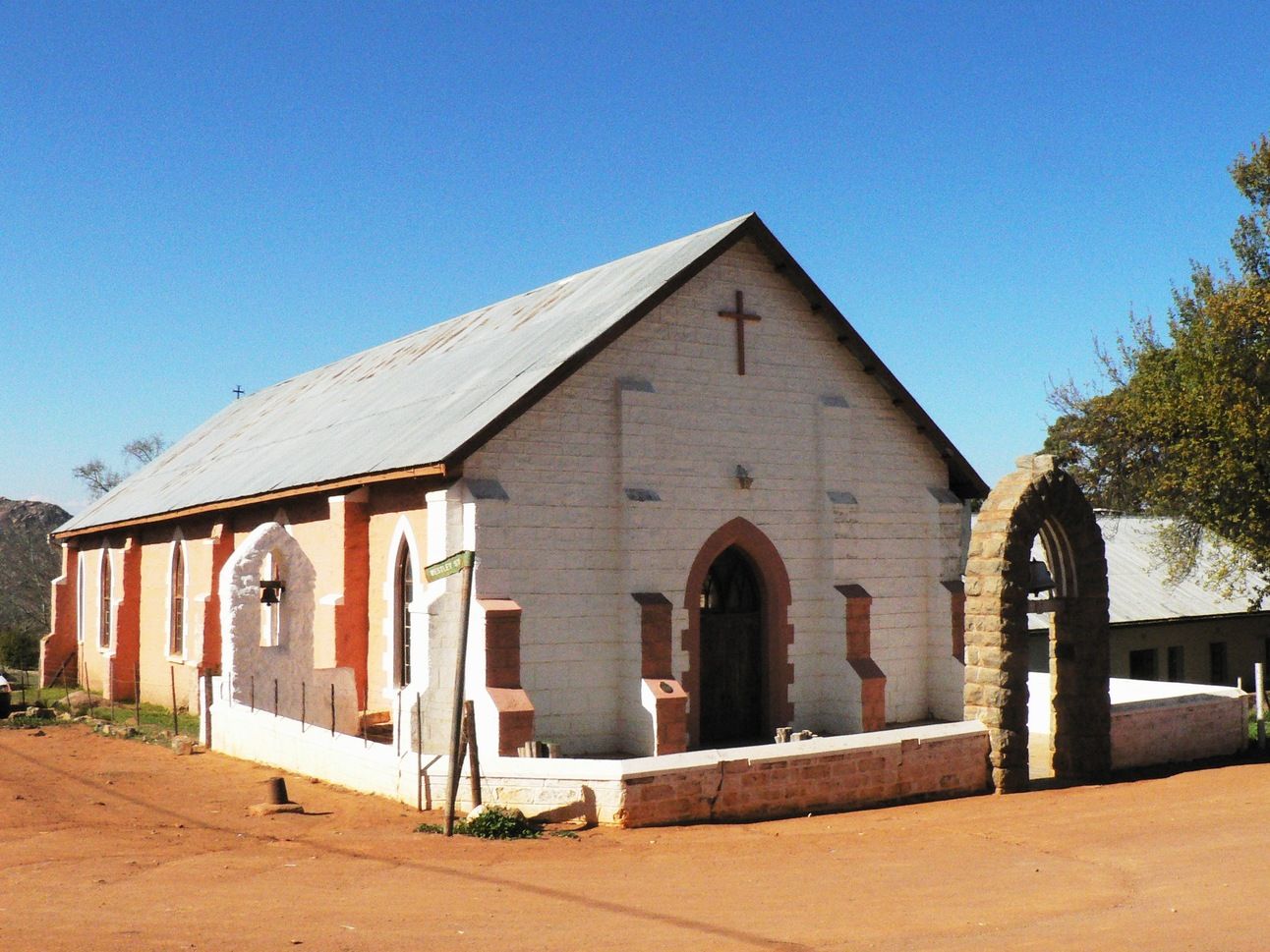
Picture this: sprawling church halls, trendy nightclubs, and fully-equipped gyms… just waiting for action every week. These places have one thing in common outside their peak times: they sit there empty, collecting dust instead of revenue. But what if we could flip the script and turn these quiet spaces into a buzzing business opportunity?
Today, we’re talking about how to unlock use-only-once real estate and why Eswatini’s underused spaces could be the next big thing in flexible rentals.
💡 The Opportunity: From Empty Spaces to Daily Dollars
Churches, nightclubs, and gyms often serve specific purposes on specific days. Think about it: churches are busiest on weekends, nightclubs light up on Friday and Saturday nights, and gyms fill up during early morning and evening rushes. This leaves weekdays wide open and ready for business! By renting out these spaces during off-hours, entrepreneurs can generate extra revenue streams without interrupting their primary functions. This is a win-win for everyone involved.
🎯 Who Needs These Spaces? (Hint: More People Than You Think)
This model isn’t just for events and meetings; it’s about creating a flexible community of creatives, professionals, and small businesses that need spaces for temporary uses. Here’s a taste of who could be interested:
- Entrepreneurs & Solopreneurs: Affordable venues for training sessions, networking, and co-working meetups.
- Event Planners: Space for intimate workshops, pop-up markets, or even photo shoots.
- Wellness Coaches & Trainers: Host mid-day yoga classes, meditation sessions, or group therapy meetings.
- Community Organizers: Churches and gyms can make excellent venues for community outreach events, children’s activities, and educational sessions.
These groups seek budget-friendly, short-term options, something traditional venues don’t always offer.
🔑 The How-To: Step-by-Step Guide to Getting Started
1. Build Relationships with Owners
Start by talking to churches, nightclub owners, and gym managers in your area. Pitch this as an opportunity to turn quiet hours into extra income with minimal effort. Assure them that bookings won’t interfere with peak-time use, and offer to handle the logistics for a hands-off experience.
2. Create a Scheduling System
Efficiency is key! Create a shared online calendar or booking system (Google Calendar works great for this) so that everyone involved knows when spaces are available. Automating this will save time and avoid scheduling headaches.
3. Develop a Business Model
- Profit Share: Offer owners a percentage of rental income as a low-risk way to try this out.
- Fixed Rent: Negotiate a flat weekly rate to keep things simple and predictable.
- Booking Fees: Charge clients a small service fee for the convenience and management of the process.
4. Market Like a Pro
Now that you have the supply, it’s time to create demand. Get the word out to your target market. Start with social media and local groups, and don’t be shy to use a few posters at local coffee shops and co-working spaces. Highlight that you offer short-term, affordable rentals perfect for pop-ups and temporary events.
5. Offer Flexibility & Support Services
Beyond space rental, we offer add-ons like seating arrangements, sound systems, or event staff. Flexibility can help attract more clients who want a one-stop solution…..Continue Reading
Did you enjoy this newsletter? Then why don't you forward the newsletter to at least 5 friends to read and subscribe? We’d love to have them aboard, too.