- Eswatini Edge
- Posts
- 🌱 From Bush to Bounty
🌱 From Bush to Bounty
How Smart Farming is Supercharging Eswatini's Young Agri-preneurs

Eswatini Edge
May 07, 2025
Brought to you by:
In today’s email…
How Smart Farming is Supercharging Eswatini's Young Agri-preneurs
Can a Subscription Business Model Work in Eswatini
If you haven't subscribed, join over 40+ people curious about business and tech in Eswatini.
These Eswatini Farmers Are Growing Veggies and a Brighter Future
UNDP ESWATINI
The Hustle in Hhohho
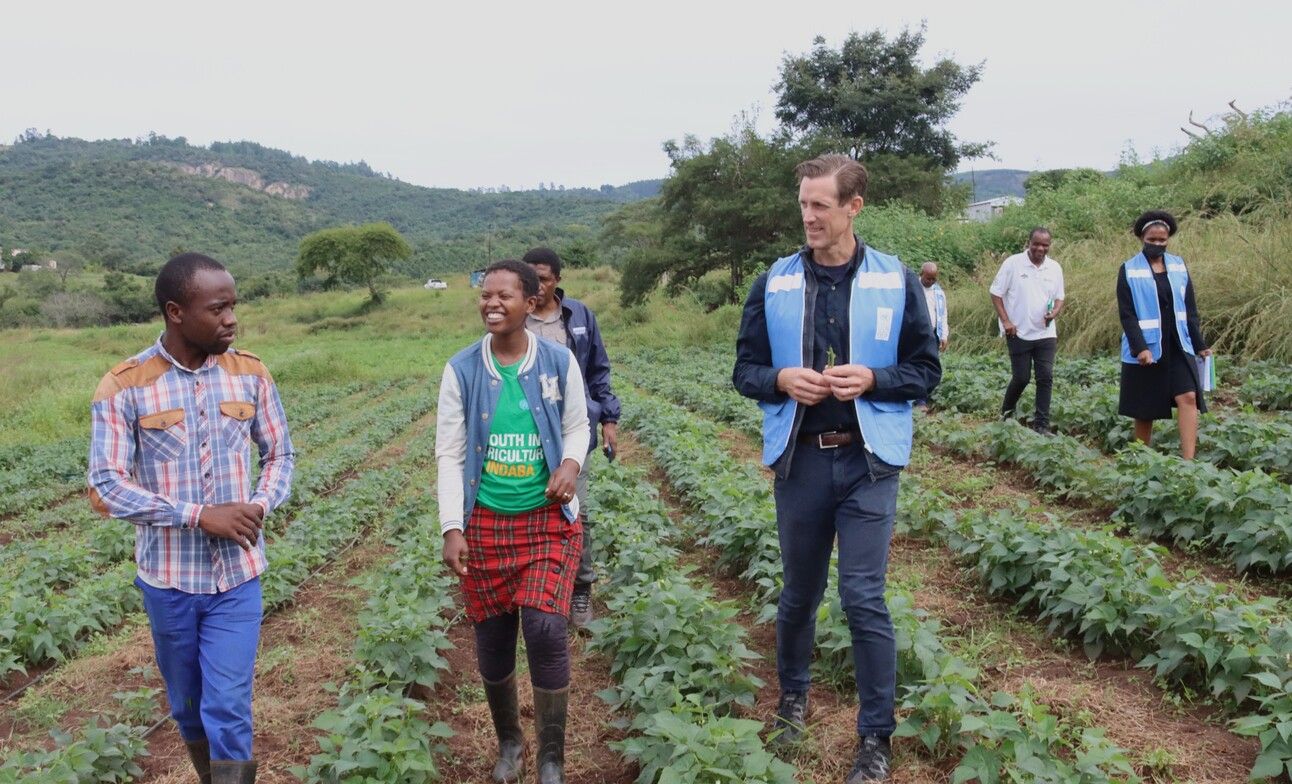
In the rural outskirts of Piggs Peak, Eswatini, Boniswa Dlamini-Malaza and her husband, Canaan, are turning borrowed land into a goldmine of greens. Their 3.5-hectare plot, once a tangle of wild bush, now pumps out spinach and green beans like nobody’s business. Local supermarkets, the Piggs Peak Hotel, and the National Agricultural Marketing Board (NAMBoard) can’t get enough of their haul.
The Game-Changer
In 2024, Boniswa leveled up with climate-smart agriculture (CSA) training, courtesy of NAMBoard and the United Nations Development Programme (UNDP). Backed by a global squad of donors from Germany, Denmark, Sweden, South Korea, Luxembourg, Norway, the UK, France, and Iceland, this program hooked up over 100 young farmers with the skills to farm smarter, not harder. Think sustainable energy, waste management, entrepreneurship, and a drip irrigation system that’s a total water-saving, yield-doubling beast.
The Payoff
Boniswa’s hustle didn’t go unnoticed; she snagged second place in the 2024 Woman Farmer of the Year (youth category). On May 2, 2025, big shots like UNDP’s Henrik Franklin and NAMBoard CEO Bhekizwe Maziya swung by to check out her operation, alongside other young guns like Njabulo Gule (baby marrow maestro) and Ntozakhe Mavuso (tomato titan).
The Grind Never Stops
It’s not all sunshine and spinach. Freaky weather, think torrential rains and hailstorms, keeps these farmers on their toes. Shade nets might be their next big move. But as Franklin puts it, agribusiness is a legit path out of poverty for Eswatini’s youth, even if Mother Nature’s throwing curveballs. UNDP’s partnership with NAMBoard is arming these farmers with tech, market access, and financial know-how to keep the crops (and cash) flowing.
The Big Picture
Maziya’s hyped about the youth bringing tech to the fields, cutting labor, and boosting output. “This is the future of farming,” he says. With UNDP and NAMBoard teaming up, Eswatini’s rural hustlers are building a sustainable agriculture scene that’s as resilient as they are.
Run a legit business? Time to look like it online. |
Stop managing bookings through DMs and selling without a proper online store. No blog, no newsletter, no system? Let's fix that. |
The Web Foundry helps small businesses get online without the tech headache. From booking forms to online stores, blog launches to social media support – we build your digital presence so you can focus on what you do best. |
Clean. Simple. Affordable. Built for you. |
Ready to level up your online game? |
Click here - Learn More |
Let's make your business look as good online as it is in real life. |
*Sponsored* |
📩 The Subscription Buzz: Can Eswatini Get on Board?
Ah, the sweet lure of subscriptions. It’s the modern consumer’s paradox: “I don’t need it, but it’s only a few bucks a month!” Globally, businesses are turning one-time buyers into loyal subscribers. But can this model work in Eswatini?
Let’s dive in and see if Swazis are ready to embrace the “Set it and forget it” economy.
📈 Why Subscription Could Work in Eswatini
The subscription economy thrives on recurring value. Netflix, Spotify, or even your trusty MTN data bundle – they’ve made it easier to sign up than quit (seriously, when was the last time you used all your data?). For Eswatini, a subscription model could work if it ticks a few key boxes:
1️⃣ Affordability
With lower average incomes, Swazis are cautious spenders. Essentials like food, healthcare, and transport come first. For subscriptions to succeed, pricing has to feel just right. Think:
Tiered options: Affordable starter plans that upgrade with value.
Pay-as-you-go models: No long-term commitment, just convenience.
2️⃣ Mobile Payments are King
MTN Mobile Money has become a lifeline for payments here. Services that integrate seamlessly with MoMo stand a better chance of adoption. It’s all about meeting Swazis where they already are.
3️⃣ Relevant Value
A subscription model needs to solve real problems. And in Eswatini, there’s no shortage of possibilities:
Education: Affordable online courses or skills training could attract people hungry for growth but limited by cost.
Agriculture: With a strong farming community, imagine a service delivering weather updates, crop advice, and fertilizer right when it’s needed.
Health & Wellness: Private healthcare options like telemedicine or discounted pharmacy services could thrive in a system where public healthcare has its struggles.
🤔 What Might Hold Us Back?
Let’s not sugarcoat it – challenges exist:
Income Gaps: Even with affordable pricing, convincing people to set aside money for non-essentials is a tough sell.
Internet Infrastructure: High data costs and inconsistent coverage could limit online-focused services like streaming or cloud-based subscriptions.
But these aren’t deal-breakers. They’re opportunities for innovation. Entrepreneurs who tailor their services to Eswatini’s unique landscape stand to win big.
🌟 The Opportunities Are Real
So, where’s the sweet spot? Let’s dream a little:
Streaming Meets Local Flavor: A platform streaming local content – at affordable data rates – could capture the hearts (and wallets) of Swazi audiences.
Subscription Fitness: Gyms in Eswatini could offer hybrid models with workout videos, meal plans, and coaching sessions.
Daily Transport Deals: Subscription services for private car hire in hard-to-reach areas like Tubungu or Sidvokodvo could tackle transport woes in urban and semi-rural spaces.
💡 The Big Takeaway
The subscription model can work in Eswatini – but it requires creativity, affordability, and an understanding of the Swazi way of life. Businesses must focus on delivering consistent value for Swazis to justify parting with their Emalangeni every month.
The question is: Are local entrepreneurs ready to seize the opportunity?
Let us know what subscription service you would pay for.
OTHER STORIES
Wom-pact Foundation to Host First-Ever Women of Impact Leadership Forum
Wondering why Eswatini aligns its VAT rate with South Africa, but not necessarily other taxes?
Did you enjoy this newsletter? Then why don't you forward the newsletter to at least 5 friends to read and subscribe? We’d love to have them aboard, too.
Newsletter Made Possible By: Infra-Geo Solutions