- Eswatini Edge
- Posts
- 💸 Mukuru Bids Farewell to Eswatini
💸 Mukuru Bids Farewell to Eswatini
Your Need-to-Know Money Transfer Intel

Eswatini Edge
May 01, 2025

Brought to you by:

In today’s email…
Stranded No More: Eswatini's Inspiring Ride-Sharing Revolution
Mukuru Financial Services to Cease Operations in Eswatini by June 2025
If you haven't subscribed, join over 40+ people curious about Innovation, New Products, and New Technologies in Eswatini.
Ditch the Kombi Chaos: Eswatini's Homegrown "Uber" is Rolling Deep
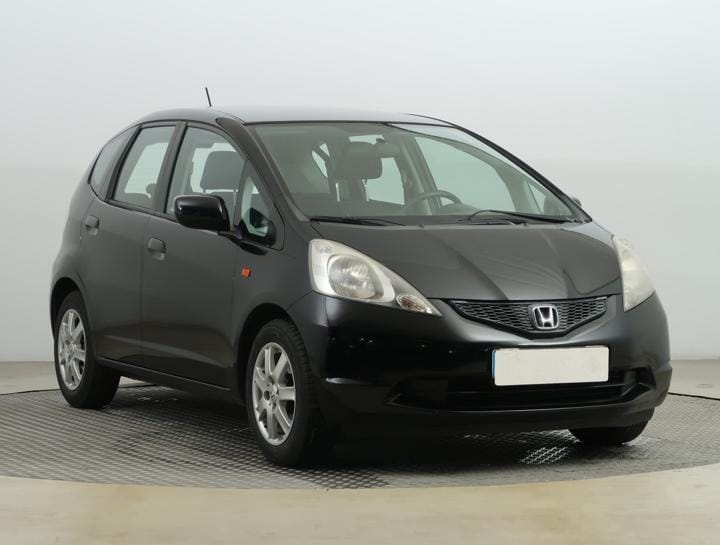
Picture this: You're stuck in Tubungu, the clock's ticking, and the usual ride (read: packed kombi) is a no-go. Sound familiar? Well, across Eswatini, a quiet revolution is happening on four wheels. Forget waiting endlessly at the bus stop; a new breed of transport is emerging, driven by your neighbors, not some billion-dollar app.
We're talking about private car owners stepping into the transportation void like superheroes with sedans. No fancy algorithms or venture capital here – just locals with cars, hustle in their hearts, and a knack for knowing exactly where the kombis don't go.
Is this just a temporary fix, a convenient blip on the radar? Or could this grassroots movement be the future of getting around the Kingdom? Let's peel back the asphalt and see what's driving this trend.
🚧 When the Kombi Can't Cut It...
Let's be real, the trusty kombi and bus system in Eswatini are workhorses, but they've got their limits. Think tricky neighborhoods like Tubungu in Matsapha – sprawling, often underserved, leaving folks stranded when they need to get to work, school, or just, you know, live.
Enter the everyday heroes with their rides. They're not just offering a lift; they're providing a lifeline to those left behind by traditional transport. And it's not just a Matsapha thing. Whispers on the street say these informal networks are popping up in towns and communities facing the same transit deserts.
💡 The Secret Sauce (For Now):
Door-to-Door Deliciousness: Forget trekking to the main road. These drivers often go straight to your gated community or that tricky corner the kombi avoids.
Wallet-Friendly (Mostly): Okay, it's not kombi-cheap, but split the fare with a few passengers, and it's surprisingly manageable.
Your Time, Your Rules: Say goodbye to rigid schedules. Need to leave at 7:37 AM sharp? Chances are, you can find someone heading your way.
BUT (and it's a big but): As more people rely on these informal services, the wild west nature of it could attract unwanted attention – think regulations, licensing, the whole shebang.
📈 The Road Map Ahead:
Why might this trend go from a simmer to a full boil?
Urban Sprawl is Real: Eswatini's cities are growing outwards, with more gated communities and suburbs popping up. These new areas often lack the infrastructure for traditional public transport.
Tech Could Turbocharge This: Imagine an app connecting riders in Tubungu with available drivers heading to Matsapha: boom – efficiency, accountability, easy payments.
Economic Engine Potential: For these drivers, it's not just pocket change; it's a business. Scale this up, and you're looking at job creation and some much-needed competition in the transport sector.
The Potholes: Keeping costs down will be crucial, as disposable income is still a major factor. Plus, safety and insurance will be hot topics as things get bigger.
🚦 Could This Be the Next Big Thing?
Tubungu might be the beta test, but the need is there across Eswatini. Think those gated communities in Mbabane, the industrial zones around Manzini, or even the border town of Ngwenya, where commutes can be long. The demand is real, and the entrepreneurial spirit is alive and well.
🔮 Eswatini's Transport Future: Buckle Up!
What we're seeing is likely just the beginning. With some smart regulation, a dash of tech innovation, and continued community buy-in, these private car services could redefine how Eswatini moves.
The big questions: Will Eswatini embrace this homegrown transport revolution and make it safe, scalable, and sustainable? And hey, are you thinking about joining the ride as a passenger or even a driver-preneur? The comments section is open! 🚗💬
Run a legit business? Time to look like it online.
Stop managing bookings through DMs and selling without a proper online store. No blog, no newsletter, no system? Let's fix that.
The Web Foundry helps small businesses get online without the tech headache. From booking forms to online stores, blog launches to social media support – we build your digital presence so you can focus on what you do best.
Clean. Simple. Affordable. Built for you.
Ready to level up your online game?
Let's make your business look as good online as it is in real life.
*Sponsored*
💸 Mukuru Bids Farewell to Eswatini: Your Need-to-Know Money Transfer Intel 💸

Big news dropped this week from the Central Bank of Eswatini (CBE): Mukuru Financial Services, the name you know for sending money across borders (often just called "Mukuru," like that reliable friend), is hitting the exit button. Mark your calendars: June 30th, 2025, is the official goodbye date.
Mukuru, a long-time go-to, especially for folks relying on remittances, is voluntarily winding down its operations. The CBE is playing chaperone to make sure this isn't a messy breakup, promising an "orderly" process that keeps customers and stakeholders in mind.
Why This Ain't Small Potatoes:
For many in Eswatini, Mukuru has been more than just a money transfer service. It's been a lifeline, connecting families and enabling crucial financial flows, especially for those underserved by traditional banks. Their departure leaves a noticeable void in the fintech scene and sparks a big question mark: Who's going to step up for financial inclusion now?
👂 Listen Up, Mukuru Users – Here's Your Action Plan:
The CBE has laid out the crucial dates and steps you need to know:
Claim Deadline: June 30th, 2025. If you're expecting money via Mukuru, you must claim it in person at their Manzini or Mbabane branches by this date. No ifs, ands, or buts.
After June 30th: Game Over. No more sending or receiving money (to or from Eswatini) through Mukuru after this deadline. Period.
Don't Panic (Yet): Mukuru promises to honor any pending transactions and obligations during this wind-down. They'll also keep the communication lines open to minimize disruption.
🆘 Need Help? Here's Where to Go:
Got questions or concerns? Head straight to Mukuru's branches in Manzini and Mbabane. The CBE is urging everyone to use these official channels for accurate information and help. Don't rely on whispers or social media rumors.
A Tip of the Hat from the Top:
CBE Governor Dr. Phil Mnisi acknowledged Mukuru's impact, saying, "We express our sincere gratitude to Mukuru for the significant contribution they have made in advancing the country's financial inclusion agenda and broader economic development." A polite goodbye, but the underlying message is clear: a chapter is closing.
So, What's Next for Your Wallet?
Mukuru's exit might sting in the short term, but in the world of fintech, a departure often means an opportunity for someone else to shine. Keep your eyes peeled for new players and services looking to fill the gap and cater to the evolving needs of Emaswati. We'll be watching closely to see who steps up.
The Bottom Line: Stay informed, meet those deadlines, and keep an ear to the ground for updates from the Central Bank. The financial landscape in Eswatini is shifting, and you'll want to be in the know.
Did you enjoy this newsletter? Then why don't you forward the newsletter to at least 5 friends to read and subscribe? We’d love to have them aboard, too.