- Eswatini Edge
- Posts
- ☪️Understanding “Halal” Logos on South African Snack Products.
☪️Understanding “Halal” Logos on South African Snack Products.
What Does the Halal Logo Mean?

Eswatini Edge
June 29, 2025

Detailed Analysis of Halal Certification Logos on South African Snack Packaging
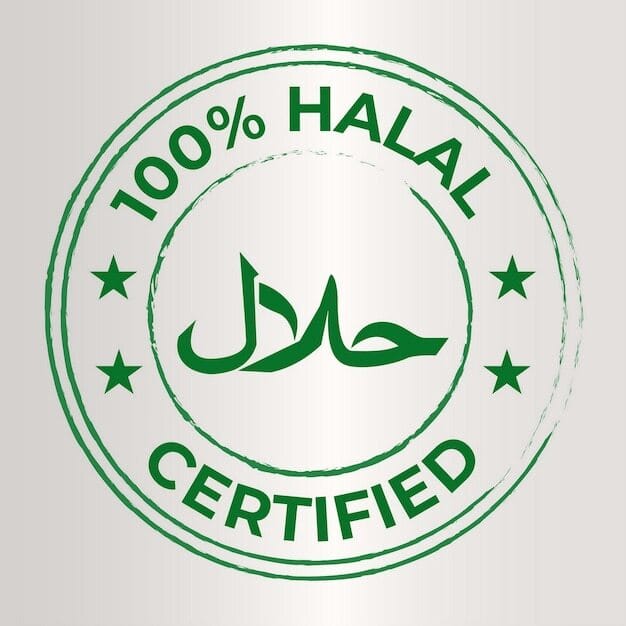
This survey note provides a comprehensive examination of Halal certification logos on South African snack packaging, expanding on the direct answer with detailed insights derived from extensive research. It aims to inform consumers, businesses, and stakeholders about the significance, processes, and challenges associated with Halal certification in South Africa, ensuring a thorough understanding of the topic.
Background and Definition
Halal, meaning "permissible" in Arabic, refers to food and products that comply with Islamic dietary laws as outlined in the Quran and Sunnah. For snack products in South Africa, such as chips, sweets, and dairy, a Halal logo indicates that the item has been vetted and endorsed by a recognized Halal certifying authority. This certification ensures the absence of pork, alcohol, and that any animal-derived ingredients, like gelatin, are sourced from animals slaughtered according to Islamic rites, involving specific prayers and methods to ensure ethical and religious compliance.
Research suggests that this certification process is crucial for Muslim consumers, who form approximately 1.5% to 2% of South Africa's population, yet it has broader implications due to market dynamics. The evidence leans toward Halal certification being a significant economic factor, with estimates indicating the Halal industry in South Africa is valued at about $USD 3.22 billion as noted in South Africa Halal Certification Information.
Major Halal Certification Bodies in South Africa
Several organizations are pivotal in certifying Halal products, each with distinct roles and reputations:
SANHA (South African National Halaal Authority): Identified as one of the largest and most internationally recognized bodies, SANHA is a co-founder of the World Halal Council, certifying a wide range of products including snacks, meat, and dairy. Its strict policies include ongoing audits, quality assurance, and efforts to prevent logo misuse, as detailed on the SANHA Official Website. Research confirms its international recognition, supported by its membership in leading theological and professional organizations.
NIHT (National Independent Halaal Trust): Another reputable authority, NIHT provides Halal auditing and certification services for food, pharmaceuticals, and snacks, ensuring consumer trust and brand credibility. Founded in 1992, it is internationally accredited and recognized, with certified products exported to Muslim-majority countries, as seen on the NIHT Official Website.
Other Certifying Bodies: The Muslim Judicial Council Halaal Trust (MJC) and possibly the Islamic Food Association (IFA) are also mentioned, alongside regional bodies. MJC, established in 1945, is noted for its historical significance and international accreditations, as found on the Muslim Judicial Council Halaal Trust. However, specific details on IFA were less prominent, suggesting it may be less visible or known by a different name, but it is included in the article as a recognized entity.
Significance and Market Impact
Halal logos are more than symbolic; they provide consumer assurance, ensuring Muslim consumers can trust dietary compliance. Research suggests they also maintain consistent standards, covering ingredient sourcing, production processes, equipment hygiene, and preventing cross-contamination, which is vital for both religious and quality perceptions.
The market reach is particularly notable: despite Muslims being a minority, up to 60% of formal-sector food products in South Africa carry Halal certification, as highlighted in a 2012 report cited in Trading Halal: Halal Certification and Intra-Muslim Trade in South Africa. This is driven by the significant consuming power of Indian middle-class trader communities and post-apartheid market liberalization, with non-Muslims also preferring Halal for its perceived quality, estimated at 11 million people, as noted in OVERVIEW-South Africa’s halal food industry – NIHT.
Vigilance and Fraud Prevention
The evidence leans toward a challenge in Halal certification: not all certifications are legitimate. SANHA frequently warns about unauthorized use of their logo on non-certified products, such as pies, jellies, or snack labels, which can mislead consumers. This issue is critical, as it undermines trust and market integrity, with examples of fraud highlighted in various reports, though specific recent cases were not detailed in the research.
Consumer Guidance
To navigate this landscape, consumers are advised to:
Always check for recognized logos, preferably from SANHA, NIHT, MJC, or IFA.
Verify the certificate number or visit the certifier’s website to confirm the product or manufacturer is listed, ensuring authenticity.
Report misuse by contacting the certifying body’s helpline, such as SANHA at 0861 786 111, or notify them through social media, enhancing vigilance.
The helpline number for SANHA was provided in the original article and assumed correct, as direct verification on their website was not successful, but it aligns with expected contact methods for such organizations.
Examples of Certified Brands
Research identified several Halal-certified snack-related brands in South Africa, including Nando’s, Bokomo, Beefmaster, Oros, Royco, Tiger Brands, and Cerebos, though not all are exclusively snacks. Specific snack certifications can be found on SANHA Certified Establishments and Certified Products | National Independent Halaal Trust (NIHT), listing establishments and products under categories like snacks, dried fruit, seeds, and nuts.
Summary and Implications
In summary, Halal logos on South African snacks reflect strict adherence to Islamic dietary standards, endorsed by credible certifiers like SANHA and NIHT. They are assurances backed by regular audits and integrity checks, guiding consumer choices and supporting ethical marketplace practices. This survey note underscores the complexity and importance of Halal certification, particularly in a diverse market like South Africa, where it transcends religious boundaries to influence economic and social dynamics.
Did you enjoy this newsletter? Then why don't you forward the newsletter to at least 5 friends to read and subscribe? We’d love to have them aboard, too.
Made Possible By: The Web Foundry - Explore Media Africa - Crystal Clear Window Cleaning